

Instrument Proficiency Check in Jacksonville: Getting Back into the System
By Antonio Burgi, Chief Flight Instructor, Azzurra Aviation Academy
If your instrument currency has lapsed for more than twelve months, you will need an Instrument Proficiency Check before you can act as pilot in command under IFR again. I give IPCs at Azzurra Aviation Academy at Craig Airport in Jacksonville, and I want to explain what the check involves and how I approach it, because a lot of capable pilots put it off far longer than they need to. None of this is a reflection on your skill. Careers change, airplanes go down for maintenance, and family life takes priority for a season. The rating you earned is still yours, and getting it working again is usually more manageable than people expect.
When the regulations require an IPC
The currency rule is in 14 CFR 61.57(c). To act as pilot in command under instrument flight rules, you must have flown six instrument approaches, holding procedures, and intercepting and tracking courses within the preceding six calendar months. When that window closes, the regulation gives you a second six months to catch up, either with a safety pilot in visual conditions or in an approved training device. You cannot file IFR as pilot in command during that time, but you can regain currency on your own schedule. Once the second six months have passed, that option is gone, and the only way back is an IPC with an authorized instructor or examiner. I also see pilots who are technically current but have not flown under real IMC condition, or a real approach to minimums in a long time. Being current on paper and being proficient in the clouds are two different things. An IPC is a sensible way to close that gap before a low winter overcast or a line of summer storms over Jacksonville makes the decision for you.
How I conduct an IPC
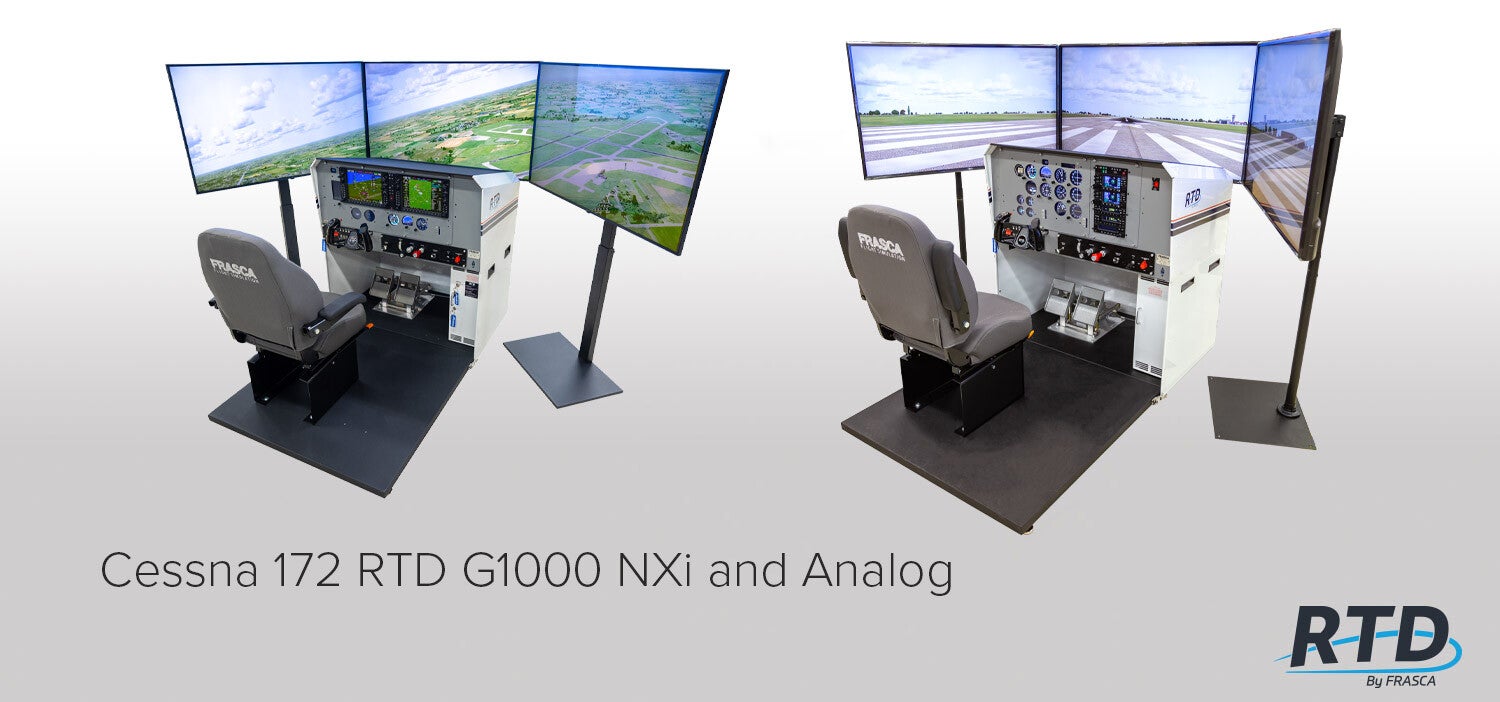
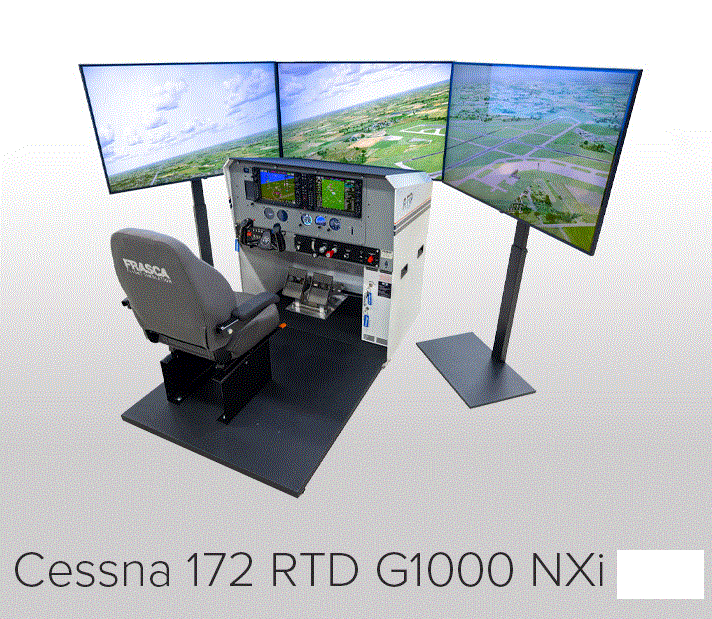
The required tasks come from the FAA's Instrument Rating Airman Certification Standards, so the content of the check is the same wherever you take it. What differs from one instructor to another is how the time is spent. I start on the ground with a conversation about how long it has been since you last flew in the system, what airplane and avionics you fly, and which parts of instrument flying feel least comfortable to you. That conversation shapes the rest of the session, and it usually tells me more than any logbook entry would. From there, we often work in our Frasca C172 simulator, which can be set up with either a G1000 NXi or analog gauges. The simulator lets us repeat holds and approaches as many times as needed without the cost of flight time, and it is a comfortable place to rebuild a scan that has gone a little rusty. When you are ready, we fly. The flight covers a precision or a non-precision circling approach, and recovery from unusual attitudes, all flown by reference to instruments. An IPC is not scored as a pass or a fail. If an area is not yet at the standard, we keep working on it until it is, and I sign your logbook once your flying meets the standard across every task.
Why I take instrument proficiency seriously
I flew as a Naval Aviator and later as an airline pilot, and in both careers the instrument environment was where preparation and judgment mattered most. I often tell students that the cockpit can teach technical skills, but experience teaches judgment. During an IPC, I pay as much attention to your decisions as to your needle work. I want to know how you brief an approach, when you would choose to go missed, and what your personal minimums are after time away from the system. Those conversations are part of the check, and they are often the most valuable part.
How to prepare
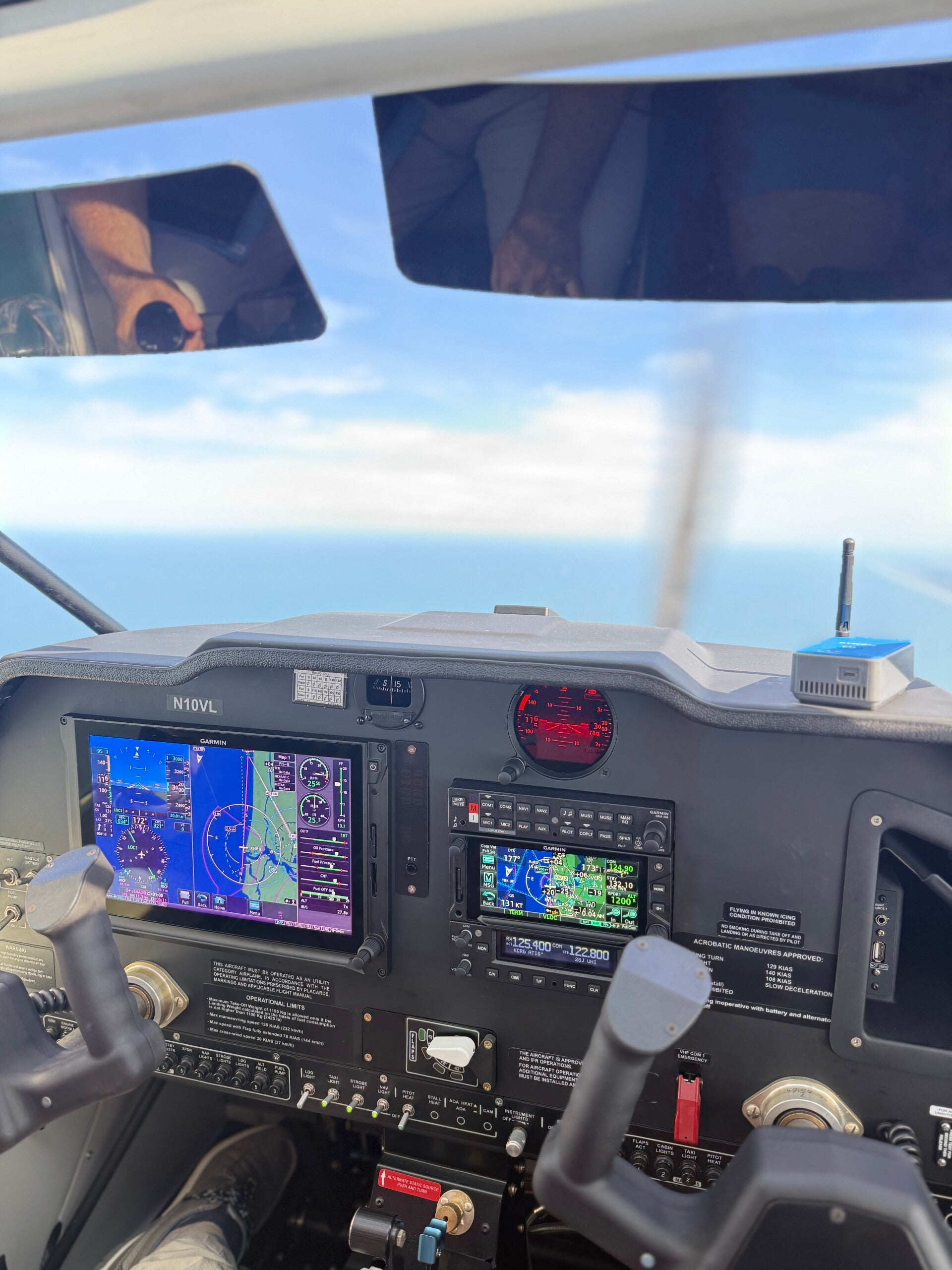
A little preparation before your IPC saves time and money in the air. Spend an evening reviewing holding entries, approach briefings, and lost communication procedures, since those are the areas that fade fastest. Pull up the approach plates for Craig and one or two nearby airports so they feel familiar before we brief them together. It also helps to chair-fly a full approach at home, from the initial fix through the missed approach, calling out each step as you would in the airplane. If you will be flying a G1000 or a GPS430 you have not used in a while, review how to load and activate an approach. Finally, be honest with me about how long it has been and what feels uncertain. That honesty lets me plan a session that addresses your actual needs.
IPC and currency packages
Our IPC package is $740 it is all inclusive; ground, sim, flight time, and instructor. Our currency package, for pilots who are still within the six-month grace period and want to log their approaches and holding with an instructor is $540, and $300 if you want to log time by yourself without an instructor (not recommended). If you are not sure which one applies to you, call me and we can look at your logbook dates together.
Common questions
How long does an IPC take?
It depends on how long you have been away and how comfortable you feel. Some pilots finish in a single session, while others prefer two or three, and I will give you an honest assessment after our first flight together.
Can I use my own airplane?
In most cases, yes, provided it is equipped and legal for IFR flight. Please call ahead so I can plan the session around your panel.
Can part of the IPC be done in the simulator?
The majority of the tasks can be completed in an FAA-approved training device. I am glad to explain what can be done in ours.
Who can give an IPC?
An IPC must be given by a CFII, a designated pilot examiner, or another person authorized by the FAA.
Schedule your IPC
Azzurra Aviation Academy is at Craig Airport, 754 Amelia Earhart Dr, Hangar 600, Jacksonville, FL 32225. Call (904) 595-7660 to schedule, or fill out the enrollment form and I will get back to you.
Add comment
Comments